
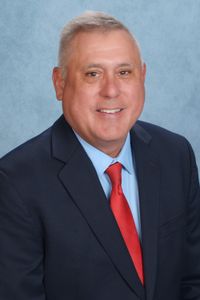
Mark Peter Heggestad
About Mark Peter Heggestad
Mark Heggestad (Democratic Party) is running for election to the U.S. House to represent Florida's 5th Congressional District. He declared candidacy for the Democratic primary scheduled on August 18, 2026.
Issues Ledger
Support should feel like a public seal of approval. Nonresponse should feel visibly costly. Click Ping to directly push for an answer on any issue that's important to you.
Candidate on the Issues
[{"question": "Ballotpedia survey responses", "answer_html": "<p>See also: <a href=\"/Ballotpedia%27s_Candidate_Connection\">Ballotpedia's Candidate Connection</a></p>\n<div class=\"row\"><div class=\"col-xs-10 col-md-6 col-xs-offset-1 col-md-offset-3\"><p><a href=\"https://ballotpedia.org/Ballotpedia%27s_Candidate_Connection\"><img align=\"middle\" alt=\"Candidate Connection\" src=\"https://cdn.ballotpedia.org/images/8/88/Candidate_Connection_Logo.png\" width=\"90%\"/></a></p></div></div>\n<p>Mark Heggestad completed <a href=\"/Ballotpedia%27s_Candidate_Connection\">Ballotpedia's Candidate Connection</a> survey in 2025. The survey questions appear in bold and are followed by Heggestad's responses.</p>\n<p><span class=\"expand-all\">Expand all</span> | <span class=\"collapse-all\">Collapse all</span></p>\n<div aria-multiselectable=\"true\" class=\"panel-group\" id=\"accordion\" role=\"tablist\"><div class=\"panel panel-default\"><div class=\"panel-heading\" data-toggle=\"collapse\" href=\"#collapse-bio-366727-2025-11-26\" id=\"heading-bio-366727-2025-11-26\" role=\"tab\"><p class=\"panel-title\" style=\"font-size: 14px;font-weight: 600;\"><a aria-controls=\"collapse-bio-366727-2025-11-26\" aria-expanded=\"false\" class=\"collapsed\" data-parent=\"#accordion\" data-toggle=\"collapse\" href=\"#collapse-bio-366727-2025-11-26\" role=\"button\"><i class=\"fa fa-chevron-right pull-right\"></i><i class=\"fa fa-chevron-down pull-right\"></i>\t\t\t\tWho are you? Tell us about yourself.\t\t\t</a></p></div><div aria-labelledby=\"heading-bio-366727-2025-11-26\" class=\"panel-collapse collapse\" id=\"collapse-bio-366727-2025-11-26\" role=\"tabpanel\"><div class=\"panel-body\" style=\"max-height: 500px; overflow-y: scroll;\"><div class=\"answers-container\"><span style=\"font-size: 14px;\">\t\t\t\t\"I’m a certified Project Management Professional (PMP) with a career built on solving complex problems and delivering results. I live on Jacksonville’s Southside with my wife (Darlene) and step daughter (Brianna), and I’m an active member of our local church. My grown son (Matthew) lives in Minnesota. I grew up in a small town where hard work and integrity were daily expectations—values that still guide me.\r\n<p>Over the years, I’ve led initiatives across healthcare, government, finance, and other industries—bringing teams together, managing risk, and improving systems that serve real people. My academic background includes a double major in Management Information Systems and Business Management, which has equipped me with the analytical and organizational skills to solve complex problems and drive meaningful change. Whether it’s genetic research or coordinating technology for public agencies, I’ve seen how good governance and smart planning can change lives. Outside of work, I’ve officiated football for over four decades, making fair calls under pressure and earning trust on the field. That same commitment to fairness and accountability drives my approach to public service.\r\n</p>\nI’m running for Congress to bring practical leadership to FL-5. I believe in listening deeply, acting with empathy, and building systems that work for everyone. My goal is to protect democracy, lower the temperature, and create opportunities for all our neighbors.\"\t\t\t</span></div></div></div></div><div class=\"panel panel-default\"><div class=\"panel-heading\" data-toggle=\"collapse\" href=\"#collapse-key-message-366727-2025-11-26\" id=\"heading-key-message-366727-2025-11-26\" role=\"tab\"><p class=\"panel-title\" style=\"font-size: 14px;font-weight: 600;\"><a aria-controls=\"collapse-key-message-366727-2025-11-26\" aria-expanded=\"false\" class=\"collapsed\" data-parent=\"#accordion\" data-toggle=\"collapse\" href=\"#collapse-key-message-366727-2025-11-26\" role=\"button\"><i class=\"fa fa-chevron-right pull-right\"></i><i class=\"fa fa-chevron-down pull-right\"></i>\t\t\t\tPlease list below 3 key messages of your campaign. What are the main points you want voters to remember about your goals for your time in office?\t\t\t</a></p></div><div aria-labelledby=\"heading-key-message-366727-2025-11-26\" class=\"panel-collapse collapse\" id=\"collapse-key-message-366727-2025-11-26\" role=\"tabpanel\"><div class=\"panel-body\" style=\"max-height: 500px; overflow-y: scroll;\"><div class=\"answers-container\"><span style=\"font-size: 14px;\"><ul><li>\"I’m a pragmatic Democrat who believes in building bridges—not burning them. My values span Center-Left and Center-Right, grounded in fairness, opportunity, and a deep respect for our neighbors. As a Democratic Capitalist, I support policies that empower working families, small businesses, and civic institutions to thrive.\r\nLove for our neighbors—because strong communities begin with mutual respect.</li><li>Lowering the temperature—because we need more listening and less shouting.</li><li>Protecting democracy—because every voice deserves to be heard and every vote to count.</li></ul></span></div></div></div></div><div class=\"panel panel-default\"><div class=\"panel-heading\" data-toggle=\"collapse\" href=\"#collapse1-366727-2025-11-26\" id=\"heading1-366727-2025-11-26\" role=\"tab\"><p class=\"panel-title\" style=\"font-size: 14px;font-weight: 600;\"><a aria-controls=\"collapse1-366727-2025-11-26\" aria-expanded=\"false\" class=\"collapsed\" data-parent=\"#accordion\" data-toggle=\"collapse\" href=\"#collapse1-366727-2025-11-26\" role=\"button\"><i class=\"fa fa-chevron-right pull-right\"></i><i class=\"fa fa-chevron-down pull-right\"></i>\t\t\t\tWhat areas of public policy are you personally passionate about?\t\t\t</a></p></div><div aria-labelledby=\"heading1-366727-2025-11-26\" class=\"panel-collapse collapse\" id=\"collapse1-366727-2025-11-26\" role=\"tabpanel\"><div class=\"panel-body\" style=\"max-height: 500px; overflow-y: scroll;\"><div class=\"answers-container\"><span style=\"font-size: 14px;\">\t\t\t\tI am committed to policies that strengthen families, protect democracy, and expand opportunity. Healthcare is vital—Jacksonville employs 25,000 workers and serves patients from 90+ countries. We must expand coverage, lower costs, and ensure quality care. Affordability matters: I support reducing rent, food costs, and tariffs. Education is foundational—I’ll invest in schools, support teachers, and ensure high-quality learning. I’ll champion innovation, small businesses, and job creation while protecting our environment by opposing offshore drilling and promoting renewable energy. I support immigration reform, preventing gun violence while respecting rights, and ensuring accountability, transparency, voting rights, and fairness for all.\t\t\t</span></div></div></div></div><div class=\"panel panel-default\"><div class=\"panel-heading\" data-toggle=\"collapse\" href=\"#collapse2-366727-2025-11-26\" id=\"heading2-366727-2025-11-26\" role=\"tab\"><p class=\"panel-title\" style=\"font-size: 14px;font-weight: 600;\"><a aria-controls=\"collapse2-366727-2025-11-26\" aria-expanded=\"false\" class=\"collapsed\" data-parent=\"#accordion\" data-toggle=\"collapse\" href=\"#collapse2-366727-2025-11-26\" role=\"button\"><i class=\"fa fa-chevron-right pull-right\"></i><i class=\"fa fa-chevron-down pull-right\"></i>\t\t\t\tWho do you look up to? Whose example would you like to follow, and why?\t\t\t</a></p></div><div aria-labelledby=\"heading2-366727-2025-11-26\" class=\"panel-collapse collapse\" id=\"collapse2-366727-2025-11-26\" role=\"tabpanel\"><div class=\"panel-body\" style=\"max-height: 500px; overflow-y: scroll;\"><div class=\"answers-container\"><span style=\"font-size: 14px;\">\t\t\t\tI look up to people who lead with purpose, authenticity, and impact—and three who stand out to me are Barack Obama, Taylor Swift, and Amanda Gorman.<br/>\n<p>President Obama exemplifies what it means to lead with grace under pressure. He’s a great leader, but also a great human being. He did his very best in the face of enormous challenges, and it showed. His ability to listen, unite, and inspire continues to shape how I think about public service.<br/>\r\nTaylor Swift may seem like an unexpected choice, but I admire her deeply—not just for her music and talent, but for how she’s lived the American dream. She took the opportunities this country gave her and used them to build something powerful, creative, and generous. Her work ethic, reinvention, and advocacy are a masterclass in resilience and purpose.<br/>\r\nAmanda Gorman represents the future. Her words are powerful, her presence is genuine, and her potential is limitless. I believe she may be president one day—and even if she’s not, she’ll be a leader in whatever space she chooses.<br/>\n</p>\nEach of them reminds me that leadership isn’t about ego—it’s about vision, voice, and using your platform to lift others up.\t\t\t</span></div></div></div></div><div class=\"panel panel-default\"><div class=\"panel-heading\" data-toggle=\"collapse\" href=\"#collapse3-366727-2025-11-26\" id=\"heading3-366727-2025-11-26\" role=\"tab\"><p class=\"panel-title\" style=\"font-size: 14px;font-weight: 600;\"><a aria-controls=\"collapse3-366727-2025-11-26\" aria-expanded=\"false\" class=\"collapsed\" data-parent=\"#accordion\" data-toggle=\"collapse\" href=\"#collapse3-366727-2025-11-26\" role=\"button\"><i class=\"fa fa-chevron-right pull-right\"></i><i class=\"fa fa-chevron-down pull-right\"></i>\t\t\t\tWhat characteristics or principles are most important for an elected official?\t\t\t</a></p></div><div aria-labelledby=\"heading3-366727-2025-11-26\" class=\"panel-collapse collapse\" id=\"collapse3-366727-2025-11-26\" role=\"tabpanel\"><div class=\"panel-body\" style=\"max-height: 500px; overflow-y: scroll;\"><div class=\"answers-container\"><span style=\"font-size: 14px;\">\t\t\t\tThe most important characteristics for an elected official are humility, resilience, and a deep respect for the people they serve. Public office isn’t about being the loudest voice—it’s about being the most grounded. Leaders must be willing to listen more than they speak, especially when the issues are complex and the stakes are high.<br/>\n<p>Curiosity is also essential. The best legislators aren’t just policy experts, they’re lifelong learners who ask good questions, seek diverse perspectives, and adapt when new information emerges. That’s how we build better laws and stronger communities.<br/>\r\nCourage matters too—not just the courage to stand firm, but the courage to compromise when it serves the greater good. In a divided political climate, we need leaders who can disagree without being disagreeable, and who prioritize solutions over soundbites.<br/>\n</p>\nFinally, elected officials must be present. Not just in Washington, but in their districts, town halls, community events, and kitchen tables. Representation starts with relationships. If you’re not listening, you’re not leading.\t\t\t</span></div></div></div></div><div class=\"panel panel-default\"><div class=\"panel-heading\" data-toggle=\"collapse\" href=\"#collapse4-366727-2025-11-26\" id=\"heading4-366727-2025-11-26\" role=\"tab\"><p class=\"panel-title\" style=\"font-size: 14px;font-weight: 600;\"><a aria-controls=\"collapse4-366727-2025-11-26\" aria-expanded=\"false\" class=\"collapsed\" data-parent=\"#accordion\" data-toggle=\"collapse\" href=\"#collapse4-366727-2025-11-26\" role=\"button\"><i class=\"fa fa-chevron-right pull-right\"></i><i class=\"fa fa-chevron-down pull-right\"></i>\t\t\t\tWhat do you believe are the core responsibilities for someone elected to this office?\t\t\t</a></p></div><div aria-labelledby=\"heading4-366727-2025-11-26\" class=\"panel-collapse collapse\" id=\"collapse4-366727-2025-11-26\" role=\"tabpanel\"><div class=\"panel-body\" style=\"max-height: 500px; overflow-y: scroll;\"><div class=\"answers-container\"><span style=\"font-size: 14px;\">\t\t\t\tAs a U.S. House Representative, the core responsibilities begin with service—working together to craft legislation that improves the lives of the people in FL-5 and across America. That means listening deeply, building coalitions, and writing laws that are constitutional, practical, and rooted in fairness.<br/>\n<p>It’s not just about passing bills—it’s about making sure those bills work. They must be legally sound, implementable, and designed to make Americans better off. That requires collaboration, oversight, and a commitment to results—not rhetoric.<br/>\r\nAccountability is also essential. Members of Congress must hold themselves, each other, and other branches of government accountable. We are stewards of public trust, and our actions should reflect the values of transparency, integrity, and respect for the rule of law.<br/>\n</p>\nFinally, we represent America to the world. How we conduct ourselves—how we debate, legislate, and lead—shows others what democracy looks like. I believe in showing up, doing the work, and leading with empathy and pragmatism. That’s how we restore faith in public service and build a future worthy of the people we serve.\t\t\t</span></div></div></div></div><div class=\"panel panel-default\"><div class=\"panel-heading\" data-toggle=\"collapse\" href=\"#collapse5-366727-2025-11-26\" id=\"heading5-366727-2025-11-26\" role=\"tab\"><p class=\"panel-title\" style=\"font-size: 14px;font-weight: 600;\"><a aria-controls=\"collapse5-366727-2025-11-26\" aria-expanded=\"false\" class=\"collapsed\" data-parent=\"#accordion\" data-toggle=\"collapse\" href=\"#collapse5-366727-2025-11-26\" role=\"button\"><i class=\"fa fa-chevron-right pull-right\"></i><i class=\"fa fa-chevron-down pull-right\"></i>\t\t\t\tWhat legacy would you like to leave?\t\t\t</a></p></div><div aria-labelledby=\"heading5-366727-2025-11-26\" class=\"panel-collapse collapse\" id=\"collapse5-366727-2025-11-26\" role=\"tabpanel\"><div class=\"panel-body\" style=\"max-height: 500px; overflow-y: scroll;\"><div class=\"answers-container\"><span style=\"font-size: 14px;\">\t\t\t\tHonestly, I’d be proud if my legacy was simply this: people remembered me as a good guy. Someone who showed up, did the work, treated others with respect, and led with integrity.<br/>\n<p>As a provider, football official, and servant leader, I’ve spent my life trying to do right by others—whether it’s making a fair call on the field, solving problems in a project, or listening to a neighbor’s concern. I believe leadership isn’t about titles or attention; it’s about consistency, character, and care.<br/>\n</p>\nI want my legacy to reflect the values I live by: fairness, empathy, and stewardship. If my family, my community, and the people I’ve served can say I made their lives a little better, that I stood up when it mattered, and that I led with heart—that’s more than enough for me.\t\t\t</span></div></div></div></div><div class=\"panel panel-default\"><div class=\"panel-heading\" data-toggle=\"collapse\" href=\"#collapse6-366727-2025-11-26\" id=\"heading6-366727-2025-11-26\" role=\"tab\"><p class=\"panel-title\" style=\"font-size: 14px;font-weight: 600;\"><a aria-controls=\"collapse6-366727-2025-11-26\" aria-expanded=\"false\" class=\"collapsed\" data-parent=\"#accordion\" data-toggle=\"collapse\" href=\"#collapse6-366727-2025-11-26\" role=\"button\"><i class=\"fa fa-chevron-right pull-right\"></i><i class=\"fa fa-chevron-down pull-right\"></i>\t\t\t\tWhat is the first historical event that happened in your lifetime that you remember? How old were you at the time?\t\t\t</a></p></div><div aria-labelledby=\"heading6-366727-2025-11-26\" class=\"panel-collapse collapse\" id=\"collapse6-366727-2025-11-26\" role=\"tabpanel\"><div class=\"panel-body\" style=\"max-height: 500px; overflow-y: scroll;\"><div class=\"answers-container\"><span style=\"font-size: 14px;\">\t\t\t\tI was born in 1965, and some of my earliest memories of historical events include the end of the Vietnam War, President Nixon’s resignation, and the Iranian Hostage Crisis. I was still a kid, but those moments left a lasting impression, especially the sense that our country was going through something serious, something bigger than any one person.<br/>\n<p>I remember the tension, the news coverage, and the way adults around me talked about trust, leadership, and accountability. Even at a young age, I sensed that public service carried weight—and that when leaders struggled, it affected everyone.<br/>\n</p>\nThose early memories helped shape my belief in transparency, integrity, and the importance of earning public trust. They’re part of why I value government accountability and why I believe in lowering the temperature in our politics. We’ve been through hard times before, and we’ve come through them by listening, learning, and leading with purpose.\t\t\t</span></div></div></div></div><div class=\"panel panel-default\"><div class=\"panel-heading\" data-toggle=\"collapse\" href=\"#collapse7-366727-2025-11-26\" id=\"heading7-366727-2025-11-26\" role=\"tab\"><p class=\"panel-title\" style=\"font-size: 14px;font-weight: 600;\"><a aria-controls=\"collapse7-366727-2025-11-26\" aria-expanded=\"false\" class=\"collapsed\" data-parent=\"#accordion\" data-toggle=\"collapse\" href=\"#collapse7-366727-2025-11-26\" role=\"button\"><i class=\"fa fa-chevron-right pull-right\"></i><i class=\"fa fa-chevron-down pull-right\"></i>\t\t\t\tWhat was your very first job? How long did you have it?\t\t\t</a></p></div><div aria-labelledby=\"heading7-366727-2025-11-26\" class=\"panel-collapse collapse\" id=\"collapse7-366727-2025-11-26\" role=\"tabpanel\"><div class=\"panel-body\" style=\"max-height: 500px; overflow-y: scroll;\"><div class=\"answers-container\"><span style=\"font-size: 14px;\">\t\t\t\tMy very first job was picking weeds out of soybean fields in Minnesota. I was 12 years old, earning $1.80 an hour, and waking up at 5:30 every morning during summer vacation. It was incredibly hard work—but somehow, we made it fun. That experience taught me discipline, teamwork, and the value of a dollar.<br/>\n<p>My second job was working in my dad’s custom meat processing business. Another tough job, but one that gave me a deep appreciation for the people who keep our communities running—farmers, laborers, and small business owners. I saw firsthand how hard my dad worked, how much he cared, not just about his business, but for those that work for him.<br/>\n</p>\nThose early jobs shaped my belief in fairness and dignity for all workers. It’s why I support unions and policies that protect working families. I’ve never forgotten where I came from—or the people who taught me what real work looks like.\t\t\t</span></div></div></div></div><div class=\"panel panel-default\"><div class=\"panel-heading\" data-toggle=\"collapse\" href=\"#collapse8-366727-2025-11-26\" id=\"heading8-366727-2025-11-26\" role=\"tab\"><p class=\"panel-title\" style=\"font-size: 14px;font-weight: 600;\"><a aria-controls=\"collapse8-366727-2025-11-26\" aria-expanded=\"false\" class=\"collapsed\" data-parent=\"#accordion\" data-toggle=\"collapse\" href=\"#collapse8-366727-2025-11-26\" role=\"button\"><i class=\"fa fa-chevron-right pull-right\"></i><i class=\"fa fa-chevron-down pull-right\"></i>\t\t\t\tWhat is your favorite book? Why?\t\t\t</a></p></div><div aria-labelledby=\"heading8-366727-2025-11-26\" class=\"panel-collapse collapse\" id=\"collapse8-366727-2025-11-26\" role=\"tabpanel\"><div class=\"panel-body\" style=\"max-height: 500px; overflow-y: scroll;\"><div class=\"answers-container\"><span style=\"font-size: 14px;\">\t\t\t\tOne of my favorite books is Team of Rivals by Doris Kearns Goodwin. It’s a powerful account of how Abraham Lincoln built a Cabinet filled with former political opponents—people who challenged him, disagreed with him, and yet ultimately helped him preserve the Union and redefine leadership.<br/>\n<p>What I admire most is Lincoln’s humility and strategic empathy. He didn’t surround himself with yes-men—he chose competence over comfort. That’s the kind of leadership I believe in: pragmatic, inclusive, and focused on results.<br/>\r\nAs a Project Manager and football official, I’ve learned that strong teams aren’t built on uniformity—they’re built on trust, accountability, and shared purpose. Team of Rivals reminds me that progress often comes from collaboration across differences, and that true leadership means listening deeply, adapting wisely, and staying anchored in principle.<br/>\n</p>\nIn today’s political climate, we need more leaders who can unify rather than divide. That’s the spirit I hope to bring to Congress and to the people of FL-5.\t\t\t</span></div></div></div></div><div class=\"panel panel-default\"><div class=\"panel-heading\" data-toggle=\"collapse\" href=\"#collapse9-366727-2025-11-26\" id=\"heading9-366727-2025-11-26\" role=\"tab\"><p class=\"panel-title\" style=\"font-size: 14px;font-weight: 600;\"><a aria-controls=\"collapse9-366727-2025-11-26\" aria-expanded=\"false\" class=\"collapsed\" data-parent=\"#accordion\" data-toggle=\"collapse\" href=\"#collapse9-366727-2025-11-26\" role=\"button\"><i class=\"fa fa-chevron-right pull-right\"></i><i class=\"fa fa-chevron-down pull-right\"></i>\t\t\t\tIf you could be any fictional character, who would you want to be?\t\t\t</a></p></div><div aria-labelledby=\"heading9-366727-2025-11-26\" class=\"panel-collapse collapse\" id=\"collapse9-366727-2025-11-26\" role=\"tabpanel\"><div class=\"panel-body\" style=\"max-height: 500px; overflow-y: scroll;\"><div class=\"answers-container\"><span style=\"font-size: 14px;\">\t\t\t\tIf I could be any fictional character, I’d choose Ted Lasso. He’s not the loudest voice in the room, but he’s often the wisest. Ted leads with heart, humility, and humor—qualities I strive to bring to every part of my life, whether I’m officiating a game, managing a project, or running for Congress.<br/>\n<p>Ted doesn’t pretend to know everything. He listens, learns, and lifts others up. That’s the kind of leadership we need more of, especially in politics. He reminds us that optimism isn’t naïve; it’s courageous. That kindness isn’t weakness; it’s strength. And that building trust is the first step toward building a team—or a better country.<br/>\n</p>\nLike Ted, I believe in believing. I believe in the people of FL-5, in the power of community, and in the idea that we can lower the temperature and still raise the standard. If elected, I’ll bring that same spirit of empathy, fairness, and quiet confidence to the House—because leadership isn’t about being the hero. It’s about helping others win.\t\t\t</span></div></div></div></div><div class=\"panel panel-default\"><div class=\"panel-heading\" data-toggle=\"collapse\" href=\"#collapse10-366727-2025-11-26\" id=\"heading10-366727-2025-11-26\" role=\"tab\"><p class=\"panel-title\" style=\"font-size: 14px;font-weight: 600;\"><a aria-controls=\"collapse10-366727-2025-11-26\" aria-expanded=\"false\" class=\"collapsed\" data-parent=\"#accordion\" data-toggle=\"collapse\" href=\"#collapse10-366727-2025-11-26\" role=\"button\"><i class=\"fa fa-chevron-right pull-right\"></i><i class=\"fa fa-chevron-down pull-right\"></i>\t\t\t\tWhat is something that has been a struggle in your life?\t\t\t</a></p></div><div aria-labelledby=\"heading10-366727-2025-11-26\" class=\"panel-collapse collapse\" id=\"collapse10-366727-2025-11-26\" role=\"tabpanel\"><div class=\"panel-body\" style=\"max-height: 500px; overflow-y: scroll;\"><div class=\"answers-container\"><span style=\"font-size: 14px;\">\t\t\t\tI wish I could say my golf game has improved since I was 15—but sadly, it hasn’t! In all seriousness, one of the ongoing struggles in my life has been living up to the full weight of what it means to be a man, a husband, a father, and a servant leader.<br/>\n<p>As men, we’re called to be providers, protectors, and pillars of our families and communities. That’s a high bar—and I don’t always get it right. Balancing work, service, and family life is a daily challenge. I strive to be a good Christian, to love my neighbors, and to lead with humility and strength. But I’ve learned that growth isn’t about perfection, it’s about persistence.<br/>\n</p>\nEvery day, I try to get a little better. Whether it’s showing more patience, listening more deeply, or stepping up when it’s hard, I believe in the power of steady progress. That mindset shapes how I lead, how I serve, and how I hope to represent the people of FL-5—with grace, grit, and a heart for others.\t\t\t</span></div></div></div></div><div class=\"panel panel-default\"><div class=\"panel-heading\" data-toggle=\"collapse\" href=\"#collapse11-366727-2025-11-26\" id=\"heading11-366727-2025-11-26\" role=\"tab\"><p class=\"panel-title\" style=\"font-size: 14px;font-weight: 600;\"><a aria-controls=\"collapse11-366727-2025-11-26\" aria-expanded=\"false\" class=\"collapsed\" data-parent=\"#accordion\" data-toggle=\"collapse\" href=\"#collapse11-366727-2025-11-26\" role=\"button\"><i class=\"fa fa-chevron-right pull-right\"></i><i class=\"fa fa-chevron-down pull-right\"></i>\t\t\t\tWhat qualities does the U.S. House of Representatives possess that makes it unique as an institution?\t\t\t</a></p></div><div aria-labelledby=\"heading11-366727-2025-11-26\" class=\"panel-collapse collapse\" id=\"collapse11-366727-2025-11-26\" role=\"tabpanel\"><div class=\"panel-body\" style=\"max-height: 500px; overflow-y: scroll;\"><div class=\"answers-container\"><span style=\"font-size: 14px;\">\t\t\t\tThe U.S. House of Representatives is unique because it was designed to be the “People’s House.” Its qualities reflect that mission.<br/>\n<p>First, the House operates through committees, where much of the real work happens. Committees allow members to specialize, dig into complex issues, and shape legislation before it reaches the floor. This structure ensures that diverse expertise is brought to bear on the nation’s challenges.<br/>\r\nSecond, the House thrives on debate. With 435 members, it is a forum for vigorous discussion, where ideas are tested, challenged, and refined. Debate is not just about disagreement—it’s about sharpening solutions and ensuring every voice has a chance to be heard.<br/>\r\nThird, the House embodies diversity. Its members come from every corner of the country, representing districts that are rural, urban, coastal, inland, wealthy, struggling, and everything in between. That diversity of background, perspective, and constituency makes the House a true reflection of America.<br/>\n</p>\nFinally, the House carries immense responsibility. From drafting laws to overseeing the executive branch, its members are entrusted with safeguarding democracy and ensuring government works for the people. It is a place where accountability and stewardship must always come first. The House must take a bigger responsibility to oversee the executive branch. That balance of power is what makes us great.\t\t\t</span></div></div></div></div><div class=\"panel panel-default\"><div class=\"panel-heading\" data-toggle=\"collapse\" href=\"#collapse12-366727-2025-11-26\" id=\"heading12-366727-2025-11-26\" role=\"tab\"><p class=\"panel-title\" style=\"font-size: 14px;font-weight: 600;\"><a aria-controls=\"collapse12-366727-2025-11-26\" aria-expanded=\"false\" class=\"collapsed\" data-parent=\"#accordion\" data-toggle=\"collapse\" href=\"#collapse12-366727-2025-11-26\" role=\"button\"><i class=\"fa fa-chevron-right pull-right\"></i><i class=\"fa fa-chevron-down pull-right\"></i>\t\t\t\tDo you believe that it's beneficial for representatives to have previous experience in government or politics?\t\t\t</a></p></div><div aria-labelledby=\"heading12-366727-2025-11-26\" class=\"panel-collapse collapse\" id=\"collapse12-366727-2025-11-26\" role=\"tabpanel\"><div class=\"panel-body\" style=\"max-height: 500px; overflow-y: scroll;\"><div class=\"answers-container\"><span style=\"font-size: 14px;\">\t\t\t\tYes, I believe prior experience in government or politics can be beneficial—but it’s not the only path to effective leadership. What matters most is the ability to understand, shape, and implement legislation that aligns with the Constitution, holds up legally, and improves the lives of everyday Americans.<br/>\n<p>As a Project Manager, I’ve spent my career navigating complex systems, aligning stakeholders, and delivering results. That same skill set applies to legislating: reading and writing bills, understanding their downstream impact, and ensuring they’re rolled out effectively. It’s not just about ideas, it’s about execution.<br/>\r\nServing in the House of Representatives is a sacred responsibility. Adapting to its norms, rules, and traditions will be one of the most meaningful projects of my life. I approach it with humility, curiosity, and a deep commitment to service.<br/>\n</p>\nWhile experience in politics can help, it’s no substitute for integrity, competence, and willingness to learn. I bring decades of leadership in healthcare, government, and community engagement—and I’m ready to build coalitions, protect democracy, and deliver for FL-5.\t\t\t</span></div></div></div></div><div class=\"panel panel-default\"><div class=\"panel-heading\" data-toggle=\"collapse\" href=\"#collapse13-366727-2025-11-26\" id=\"heading13-366727-2025-11-26\" role=\"tab\"><p class=\"panel-title\" style=\"font-size: 14px;font-weight: 600;\"><a aria-controls=\"collapse13-366727-2025-11-26\" aria-expanded=\"false\" class=\"collapsed\" data-parent=\"#accordion\" data-toggle=\"collapse\" href=\"#collapse13-366727-2025-11-26\" role=\"button\"><i class=\"fa fa-chevron-right pull-right\"></i><i class=\"fa fa-chevron-down pull-right\"></i>\t\t\t\tWhat do you perceive to be the United States' greatest challenges as a nation over the next decade?\t\t\t</a></p></div><div aria-labelledby=\"heading13-366727-2025-11-26\" class=\"panel-collapse collapse\" id=\"collapse13-366727-2025-11-26\" role=\"tabpanel\"><div class=\"panel-body\" style=\"max-height: 500px; overflow-y: scroll;\"><div class=\"answers-container\"><span style=\"font-size: 14px;\">\t\t\t\tOver the next decade, I believe the United States faces several defining challenges. First, we need to restore trust in our institutions. The three branches of government were designed to balance each other, but too often we’ve drifted from the Constitution and forgotten the freedoms it guarantees. We must get back to the basics—accountability, transparency, and respect for the rule of law.<br/>\n<p>Second, we need to repair our brand as a nation. America has always been strongest when it leads by example—renewing friendships abroad and showing the world how democracy works at home. That means treating each other better here, too. Division weakens us; unity strengthens us.<br/>\r\nThird, misinformation and the rise of artificial intelligence present new challenges. Technology must be used responsibly, with safeguards that protect truth, privacy, and democracy. If we don’t get this right, the consequences will be profound.<br/>\r\nFinally, climate and energy will test us. We must find solutions that protect our environment while ensuring affordable, reliable energy for families and businesses.<br/>\n</p>\nIn short, the next decade is about rediscovering our freedoms, rebuilding trust, and proving that America can adapt, endure, and lead.\t\t\t</span></div></div></div></div><div class=\"panel panel-default\"><div class=\"panel-heading\" data-toggle=\"collapse\" href=\"#collapse14-366727-2025-11-26\" id=\"heading14-366727-2025-11-26\" role=\"tab\"><p class=\"panel-title\" style=\"font-size: 14px;font-weight: 600;\"><a aria-controls=\"collapse14-366727-2025-11-26\" aria-expanded=\"false\" class=\"collapsed\" data-parent=\"#accordion\" data-toggle=\"collapse\" href=\"#collapse14-366727-2025-11-26\" role=\"button\"><i class=\"fa fa-chevron-right pull-right\"></i><i class=\"fa fa-chevron-down pull-right\"></i>\t\t\t\tDo you believe that two years is the right term length for representatives?\t\t\t</a></p></div><div aria-labelledby=\"heading14-366727-2025-11-26\" class=\"panel-collapse collapse\" id=\"collapse14-366727-2025-11-26\" role=\"tabpanel\"><div class=\"panel-body\" style=\"max-height: 500px; overflow-y: scroll;\"><div class=\"answers-container\"><span style=\"font-size: 14px;\">\t\t\t\tYes, I believe two years is the right term length for Representatives. The short cycle keeps members close to the people they serve and ensures accountability. It forces us to stay connected to our districts and responsive to changing needs.<br/>\n<p>That said, the challenge today is that campaign cycles are getting longer and longer. Too much time is spent fundraising and too little time is spent governing. If we could reduce the emphasis on fundraising and focus more on working for the people, the two-year term would be maximized for what it was intended—service, not survival.<br/>\r\nThe two-year term is meant to keep Representatives grounded, not distracted. When we spend more time legislating, collaborating, and solving problems, the system works as designed. When we spend more time chasing dollars, it undermines trust.<br/>\n</p>\nIn short, two years is the right length—but only if we remember that Congress is supposed to be the “People’s House,” not a perpetual campaign headquarters.\t\t\t</span></div></div></div></div><div class=\"panel panel-default\"><div class=\"panel-heading\" data-toggle=\"collapse\" href=\"#collapse15-366727-2025-11-26\" id=\"heading15-366727-2025-11-26\" role=\"tab\"><p class=\"panel-title\" style=\"font-size: 14px;font-weight: 600;\"><a aria-controls=\"collapse15-366727-2025-11-26\" aria-expanded=\"false\" class=\"collapsed\" data-parent=\"#accordion\" data-toggle=\"collapse\" href=\"#collapse15-366727-2025-11-26\" role=\"button\"><i class=\"fa fa-chevron-right pull-right\"></i><i class=\"fa fa-chevron-down pull-right\"></i>\t\t\t\tWhat are your thoughts on term limits?\t\t\t</a></p></div><div aria-labelledby=\"heading15-366727-2025-11-26\" class=\"panel-collapse collapse\" id=\"collapse15-366727-2025-11-26\" role=\"tabpanel\"><div class=\"panel-body\" style=\"max-height: 500px; overflow-y: scroll;\"><div class=\"answers-container\"><span style=\"font-size: 14px;\">\t\t\t\tI believe term limits are important for keeping Congress accountable and responsive. For the House of Representatives, I think 10 years is a good balance. It gives members enough time to gain experience, build relationships, and serve under multiple presidents—so they understand how different administrations work and how to navigate change. At the same time, it prevents anyone from becoming too entrenched or disconnected from the people they represent.<br/>\n<p>Term limits encourage fresh ideas, new energy, and a stronger connection to the communities back home. They remind us that public service is a duty, not a career path. Congress should be a place where leaders step up, serve with integrity, and then make room for the next generation.<br/>\n</p>\nAnd let’s be honest—Congress is not a retirement home. It should be a place of active problem-solving, where representatives bring their best years of energy, focus, and commitment to the job. Ten years feels like the right amount of time to make a difference without losing touch with the people who sent you there.\t\t\t</span></div></div></div></div><div class=\"panel panel-default\"><div class=\"panel-heading\" data-toggle=\"collapse\" href=\"#collapse16-366727-2025-11-26\" id=\"heading16-366727-2025-11-26\" role=\"tab\"><p class=\"panel-title\" style=\"font-size: 14px;font-weight: 600;\"><a aria-controls=\"collapse16-366727-2025-11-26\" aria-expanded=\"false\" class=\"collapsed\" data-parent=\"#accordion\" data-toggle=\"collapse\" href=\"#collapse16-366727-2025-11-26\" role=\"button\"><i class=\"fa fa-chevron-right pull-right\"></i><i class=\"fa fa-chevron-down pull-right\"></i>\t\t\t\tIs there a particular representative, past or present, whom you want to model yourself after?\t\t\t</a></p></div><div aria-labelledby=\"heading16-366727-2025-11-26\" class=\"panel-collapse collapse\" id=\"collapse16-366727-2025-11-26\" role=\"tabpanel\"><div class=\"panel-body\" style=\"max-height: 500px; overflow-y: scroll;\"><div class=\"answers-container\"><span style=\"font-size: 14px;\">\t\t\t\tA representative I would want to model myself after is John Lewis. He embodied courage, discipline, and servant leadership throughout his life. He believed in listening first, treating people with dignity, and standing firm for what was right—even when it was difficult. His legacy reminds us that leadership is about service, not self.<br/>\n<p>That resonates deeply with me. For over 40 years as a football official, I’ve had to make fair calls under pressure, stay measured in heated moments, and earn trust through consistency. As a senior project manager, I’ve learned how to bring people together, manage complexity, and deliver results. And as a servant leader, I strive to listen first, act with empathy, and put others before myself.<br/>\n</p>\nLike John Lewis, I believe leadership is about stewardship—not control. It’s about building bridges, protecting freedoms, and ensuring that public service reflects the hopes and needs of the people. If I can carry forward even a fraction of his integrity and courage, while applying the discipline and fairness I’ve lived in my own career, I will have served FL-5 well.\t\t\t</span></div></div></div></div><div class=\"panel panel-default\"><div class=\"panel-heading\" data-toggle=\"collapse\" href=\"#collapse17-366727-2025-11-26\" id=\"heading17-366727-2025-11-26\" role=\"tab\"><p class=\"panel-title\" style=\"font-size: 14px;font-weight: 600;\"><a aria-controls=\"collapse17-366727-2025-11-26\" aria-expanded=\"false\" class=\"collapsed\" data-parent=\"#accordion\" data-toggle=\"collapse\" href=\"#collapse17-366727-2025-11-26\" role=\"button\"><i class=\"fa fa-chevron-right pull-right\"></i><i class=\"fa fa-chevron-down pull-right\"></i>\t\t\t\tBoth sitting representatives and candidates for office hear many personal stories from the residents of their district. Is there a story that you’ve heard that you found particularly touching, memorable, or impactful?\t\t\t</a></p></div><div aria-labelledby=\"heading17-366727-2025-11-26\" class=\"panel-collapse collapse\" id=\"collapse17-366727-2025-11-26\" role=\"tabpanel\"><div class=\"panel-body\" style=\"max-height: 500px; overflow-y: scroll;\"><div class=\"answers-container\"><span style=\"font-size: 14px;\">\t\t\t\tOne of the most meaningful parts of this journey has been hearing the personal stories of people across our district. They remind me why public service matters and why listening is just as important as legislating.<br/>\n<p>I think of the 28-year-old husband who wants to buy a home and start a family but finds it too expensive. His story reflects the challenges of affordability and opportunity that so many young families face.<br/>\r\nI think of the young woman I met at Jax Beach who had checked out of politics, frustrated and disillusioned. Her voice reminds me that we must rebuild trust and show people that government can work for them.<br/>\r\nI think of the wildlife photographer whose favorite place to shoot was in the Everglades—right where Alligator Alcatraz was built. His story is about protecting our environment and balancing progress with preservation.<br/>\r\nI think of the Republican who budgets for a new roof every 10 years, and the couple I met at Losco Park worried about the swing toward authoritarianism. Their stories remind me that freedom, fairness, and accountability are not partisan—they’re American.<br/>\n</p>\nThese are just a few of the voices I hear when I’m out door knocking. Each one motivates me to keep going, to keep listening, and to keep fighting for a future where their concerns are addressed and their hopes are possible.\t\t\t</span></div></div></div></div><div class=\"panel panel-default\"><div class=\"panel-heading\" data-toggle=\"collapse\" href=\"#collapse18-366727-2025-11-26\" id=\"heading18-366727-2025-11-26\" role=\"tab\"><p class=\"panel-title\" style=\"font-size: 14px;font-weight: 600;\"><a aria-controls=\"collapse18-366727-2025-11-26\" aria-expanded=\"false\" class=\"collapsed\" data-parent=\"#accordion\" data-toggle=\"collapse\" href=\"#collapse18-366727-2025-11-26\" role=\"button\"><i class=\"fa fa-chevron-right pull-right\"></i><i class=\"fa fa-chevron-down pull-right\"></i>\t\t\t\tDo you believe that compromise is necessary or desirable for policymaking?\t\t\t</a></p></div><div aria-labelledby=\"heading18-366727-2025-11-26\" class=\"panel-collapse collapse\" id=\"collapse18-366727-2025-11-26\" role=\"tabpanel\"><div class=\"panel-body\" style=\"max-height: 500px; overflow-y: scroll;\"><div class=\"answers-container\"><span style=\"font-size: 14px;\">\t\t\t\tI believe compromise is not only necessary but essential for policymaking. At its best, compromise is about collaboration—taking an idea, working with representatives from different perspectives, and making it better. That’s how we move from gridlock to progress.<br/>\n<p>Compromise becomes positive when everyone gains something meaningful, even if no one gets everything they want. It becomes negative when the process leaves everyone feeling like they’ve lost. The goal should always be to find common ground that improves lives and strengthens trust in government.<br/>\r\nFor example, the Civil Rights Act of 1964 required compromise across party lines. It wasn’t perfect, but it was a landmark step toward equality and justice. Another example is the bipartisan infrastructure law of 2021, where lawmakers from both sides came together to invest in roads, bridges, and broadband. Neither side got their full wish list, but the result was a bill that delivered real benefits to communities across America.<br/>\n</p>\nThat’s the kind of policymaking I believe in—measured, collaborative, and focused on results. Compromise isn’t weakness; it’s how democracy works when leaders put people ahead of politics.\t\t\t</span></div></div></div></div><div class=\"panel panel-default\"><div class=\"panel-heading\" data-toggle=\"collapse\" href=\"#collapse19-366727-2025-11-26\" id=\"heading19-366727-2025-11-26\" role=\"tab\"><p class=\"panel-title\" style=\"font-size: 14px;font-weight: 600;\"><a aria-controls=\"collapse19-366727-2025-11-26\" aria-expanded=\"false\" class=\"collapsed\" data-parent=\"#accordion\" data-toggle=\"collapse\" href=\"#collapse19-366727-2025-11-26\" role=\"button\"><i class=\"fa fa-chevron-right pull-right\"></i><i class=\"fa fa-chevron-down pull-right\"></i>\t\t\t\tThe Constitution says that all bills for raising revenue must originate in the House. What role would this power play in your priorities if elected?\t\t\t</a></p></div><div aria-labelledby=\"heading19-366727-2025-11-26\" class=\"panel-collapse collapse\" id=\"collapse19-366727-2025-11-26\" role=\"tabpanel\"><div class=\"panel-body\" style=\"max-height: 500px; overflow-y: scroll;\"><div class=\"answers-container\"><span style=\"font-size: 14px;\">\t\t\t\tThe Constitution is clear: all bills for raising revenue must originate in the House. That’s not just a technical detail—it’s a cornerstone of representative government. Our nation was founded on the principle of “no taxation without representation,” and the Boston Tea Party reminds us what happens when people feel shut out of decisions about their own money.<br/>\n<p>For me, this is a key issue for FL-5, for myself, and for all Americans. When the executive branch imposes tariffs or revenue measures without Congress, it undermines Article I and the balance of powers. Raising revenue is the responsibility of the people’s House, because it ensures accountability and transparency.<br/>\r\nIf elected, I would make this power central to my priorities. That means:<br/>\r\n- Defending constitutional authority so revenue decisions remain in the hands of elected representatives.<br/>\r\n- Ensuring fairness in taxation so families and businesses aren’t burdened by unilateral executive actions.<br/>\r\n- Restoring trust in government by showing that Congress can fulfill its duty responsibly.<br/>\n</p>\nThis isn’t about partisanship—it’s about stewardship. The House must reclaim its constitutional role, protect the voice of the people, and make sure revenue policy reflects both our freedoms and our future.\t\t\t</span></div></div></div></div><div class=\"panel panel-default\"><div class=\"panel-heading\" data-toggle=\"collapse\" href=\"#collapse20-366727-2025-11-26\" id=\"heading20-366727-2025-11-26\" role=\"tab\"><p class=\"panel-title\" style=\"font-size: 14px;font-weight: 600;\"><a aria-controls=\"collapse20-366727-2025-11-26\" aria-expanded=\"false\" class=\"collapsed\" data-parent=\"#accordion\" data-toggle=\"collapse\" href=\"#collapse20-366727-2025-11-26\" role=\"button\"><i class=\"fa fa-chevron-right pull-right\"></i><i class=\"fa fa-chevron-down pull-right\"></i>\t\t\t\tHow should the U.S. House use its investigative powers?\t\t\t</a></p></div><div aria-labelledby=\"heading20-366727-2025-11-26\" class=\"panel-collapse collapse\" id=\"collapse20-366727-2025-11-26\" role=\"tabpanel\"><div class=\"panel-body\" style=\"max-height: 500px; overflow-y: scroll;\"><div class=\"answers-container\"><span style=\"font-size: 14px;\">\t\t\t\tThe U.S. House should use its investigative powers responsibly. These powers are not meant to be weapons for partisan gain, but tools to uncover abuses, fraud, unfair influences, and other behaviors that threaten the integrity of our government and the trust of the American people.<br/><br/>\n<p>Relevant investigations include:<br/>\r\n- Watergate hearings (1970s): A legitimate use of investigative power to uncover abuse of executive authority.<br/>\r\n- Oversight of the financial crisis (2008): Probing Wall Street practices and regulatory failures to protect taxpayers.<br/>\r\n- Investigations into opioid manufacturers: Holding companies accountable for deceptive practices that fueled a national health crisis.<br/>\r\nBy contrast, there have been investigations that leaned more toward political theater than substance:<br/>\r\n- Repeated Benghazi hearings (2012–2016): While initial oversight was warranted, many later hearings were criticized as partisan.<br/>\r\n- Certain recent inquiries: At times, these have been perceived as more about political positioning than uncovering new facts.<br/><br/>\r\nThe difference is clear: when investigations are focused on truth, accountability, and protecting the public, they strengthen democracy. When they are used primarily for political spectacle, they erode trust.<br/>\n</p>\nIf elected, I would support investigations that shine light on corruption, safeguard freedoms, and ensure government works for the people—not investigations designed to score points or settle scores.\t\t\t</span></div></div></div></div><div class=\"panel panel-default\"><div class=\"panel-heading\" data-toggle=\"collapse\" href=\"#collapse21-366727-2025-11-26\" id=\"heading21-366727-2025-11-26\" role=\"tab\"><p class=\"panel-title\" style=\"font-size: 14px;font-weight: 600;\"><a aria-controls=\"collapse21-366727-2025-11-26\" aria-expanded=\"false\" class=\"collapsed\" data-parent=\"#accordion\" data-toggle=\"collapse\" href=\"#collapse21-366727-2025-11-26\" role=\"button\"><i class=\"fa fa-chevron-right pull-right\"></i><i class=\"fa fa-chevron-down pull-right\"></i>\t\t\t\tCandidates hear many personal stories from voters. Is there a story that you’ve heard that you found particularly touching or memorable?\t\t\t</a></p></div><div aria-labelledby=\"heading21-366727-2025-11-26\" class=\"panel-collapse collapse\" id=\"collapse21-366727-2025-11-26\" role=\"tabpanel\"><div class=\"panel-body\" style=\"max-height: 500px; overflow-y: scroll;\"><div class=\"answers-container\"><span style=\"font-size: 14px;\">\t\t\t\tOne of the most touching stories I’ve heard came while door knocking in Mandarin, Jacksonville’s southside. I met a lifelong Republican who at first smiled, handed my card back, and said he wasn’t interested. But I asked him to share one issue I could take with me, and he gave me several.<br/>\n<p>He told me how he budgets for a new roof every 10 years because of insurance requirements, how he was just coming out of a chemo chair after hours of treatment, and how his granddaughter may struggle to ever afford a home. These weren’t abstract policy points—they were real challenges affecting his family and his future.<br/>\n</p>\nBy the end of our conversation, he took my card back. I left smiling, wishing we could be more than neighbors—we could be friends. That moment reminded me that politics isn’t about party labels, it’s about listening, connecting, and finding common ground. His story motivates me every time I go out, because it shows the power of empathy and the importance of fighting for solutions that matter to real people\t\t\t</span></div></div></div></div><div class=\"panel panel-default\"><div class=\"panel-heading\" data-toggle=\"collapse\" href=\"#collapse22-366727-2025-11-26\" id=\"heading22-366727-2025-11-26\" role=\"tab\"><p class=\"panel-title\" style=\"font-size: 14px;font-weight: 600;\"><a aria-controls=\"collapse22-366727-2025-11-26\" aria-expanded=\"false\" class=\"collapsed\" data-parent=\"#accordion\" data-toggle=\"collapse\" href=\"#collapse22-366727-2025-11-26\" role=\"button\"><i class=\"fa fa-chevron-right pull-right\"></i><i class=\"fa fa-chevron-down pull-right\"></i>\t\t\t\tWhat is an accomplishment that you are proud of?\t\t\t</a></p></div><div aria-labelledby=\"heading22-366727-2025-11-26\" class=\"panel-collapse collapse\" id=\"collapse22-366727-2025-11-26\" role=\"tabpanel\"><div class=\"panel-body\" style=\"max-height: 500px; overflow-y: scroll;\"><div class=\"answers-container\"><span style=\"font-size: 14px;\">\t\t\t\tOne accomplishment I am especially proud of is completing the Susan G. Komen 60-mile Breast Cancer Walk. It was the hardest thing I’ve ever done—my feet hurt, I slept in tents, and every mile was exhausting. But what made it unforgettable were the stories I heard along the way.<br/>\n<p>I walked beside people honoring moms, grandmas, daughters, sisters, and friends they had lost to breast cancer. I walked with survivors who showed incredible strength and resilience. As much as I was hurting, I was constantly reminded that my pain was nothing compared to the fight they had endured.<br/>\n</p>\nI’ll never forget the feeling of putting one foot in front of the other, knowing that there are people fighting battles far tougher than mine. That experience taught me perseverance, empathy, and perspective—and it continues to inspire me to serve others with the same determination.\t\t\t</span></div></div></div></div><div class=\"panel panel-default\"><div class=\"panel-heading\" data-toggle=\"collapse\" href=\"#collapse23-366727-2025-11-26\" id=\"heading23-366727-2025-11-26\" role=\"tab\"><p class=\"panel-title\" style=\"font-size: 14px;font-weight: 600;\"><a aria-controls=\"collapse23-366727-2025-11-26\" aria-expanded=\"false\" class=\"collapsed\" data-parent=\"#accordion\" data-toggle=\"collapse\" href=\"#collapse23-366727-2025-11-26\" role=\"button\"><i class=\"fa fa-chevron-right pull-right\"></i><i class=\"fa fa-chevron-down pull-right\"></i>\t\t\t\tWhat role should the United States government have in the development or use of artificial intelligence?\t\t\t</a></p></div><div aria-labelledby=\"heading23-366727-2025-11-26\" class=\"panel-collapse collapse\" id=\"collapse23-366727-2025-11-26\" role=\"tabpanel\"><div class=\"panel-body\" style=\"max-height: 500px; overflow-y: scroll;\"><div class=\"answers-container\"><span style=\"font-size: 14px;\">\t\t\t\tThe United States government has a critical role to play in the development and use of artificial intelligence. I’ve worked on AI projects myself and even written a project management framework for how to manage them, so I know firsthand both the promise and the risks.<br/>\n<p>The first priority must be responsible AI. That means models that are trained properly, certified, and held to standards of truthfulness and transparency. AI that is truthful will help everyone—whether it’s in healthcare, education, or public safety. But if it’s left unchecked, it can mislead, manipulate, or even harm.<br/>\r\nWe’ve seen what happens when government oversight lags behind technology. Social media exploded without proper guardrails, and the consequences have been misinformation, polarization, and erosion of trust. We cannot afford to repeat that mistake with AI.<br/>\r\nAnother key issue is energy use. AI requires enormous computing power, which consumes vast amounts of energy. Companies must not only pay for their usage but also be good stewards—supplying clean, renewable energy to power their systems. Innovation should not come at the expense of sustainability.<br/>\n</p>\nIn short, the government’s role is to set standards, enforce accountability, and ensure AI serves the public good. Done right, AI can be a force for progress. Done wrong, it could deepen our challenges. We need leadership that sees both sides and acts with foresight.\t\t\t</span></div></div></div></div><div class=\"panel panel-default\"><div class=\"panel-heading\" data-toggle=\"collapse\" href=\"#collapse24-366727-2025-11-26\" id=\"heading24-366727-2025-11-26\" role=\"tab\"><p class=\"panel-title\" style=\"font-size: 14px;font-weight: 600;\"><a aria-controls=\"collapse24-366727-2025-11-26\" aria-expanded=\"false\" class=\"collapsed\" data-parent=\"#accordion\" data-toggle=\"collapse\" href=\"#collapse24-366727-2025-11-26\" role=\"button\"><i class=\"fa fa-chevron-right pull-right\"></i><i class=\"fa fa-chevron-down pull-right\"></i>\t\t\t\tWhat legislation would you enact related to election administration in the United States?\t\t\t</a></p></div><div aria-labelledby=\"heading24-366727-2025-11-26\" class=\"panel-collapse collapse\" id=\"collapse24-366727-2025-11-26\" role=\"tabpanel\"><div class=\"panel-body\" style=\"max-height: 500px; overflow-y: scroll;\"><div class=\"answers-container\"><span style=\"font-size: 14px;\">\t\t\t\tI believe the United States needs legislation that restores faith in our electoral system and makes participation easier, fairer, and more representative.<br/>\n<p>First, we must address gerrymandering. Districts should reflect communities, not partisan advantage. I would take a deep look at the original intent behind how representative districts were defined and work to make them less partisan, while ensuring equal representation for every voter.<br/>\r\nSecond, we should make it as easy as possible to vote. That means protecting and expanding early voting and mail-in voting, which give working families, seniors, and students more flexibility to participate.<br/>\r\nThird, I support making Election Day a national holiday. Voting should be a celebration of our democracy, not a logistical burden. A holiday would give Americans the time and space to engage fully in the process, and it would remind us that elections are not just about politics—they’re about our shared identity as citizens.<br/>\r\nFinally, election administration must be transparent and accountable. Clear rules, fair access, and equal treatment across states are essential to rebuilding trust.<br/>\n</p>\nIn short, I would push for legislation that tackles gerrymandering, expands access, and elevates voting as a civic celebration. Because when more people participate, our democracy is stronger.\t\t\t</span></div></div></div></div></div>\n<div class=\"small\" data-nosnippet=\"\"><p><i><b>Note:</b> Ballotpedia reserves the right to edit Candidate Connection survey responses. Any edits made by Ballotpedia will be clearly marked with [brackets] for the public. If the candidate disagrees with an edit, he or she may request the full removal of the survey response from Ballotpedia.org. Ballotpedia does not edit or correct typographical errors unless the candidate's campaign requests it.</i></p></div>", "answer_text": "See also: Ballotpedia's Candidate Connection\n\nMark Heggestad completed Ballotpedia's Candidate Connection survey in 2025. The survey questions appear in bold and are followed by Heggestad's responses.\nExpand all | Collapse all\nWho are you? Tell us about yourself. \"I’m a certified Project Management Professional (PMP) with a career built on solving complex problems and delivering results. I live on Jacksonville’s Southside with my wife (Darlene) and step daughter (Brianna), and I’m an active member of our local church. My grown son (Matthew) lives in Minnesota. I grew up in a small town where hard work and integrity were daily expectations—values that still guide me. Over the years, I’ve led initiatives across healthcare, government, finance, and other industries—bringing teams together, managing risk, and improving systems that serve real people. My academic background includes a double major in Management Information Systems and Business Management, which has equipped me with the analytical and organizational skills to solve complex problems and drive meaningful change. Whether it’s genetic research or coordinating technology for public agencies, I’ve seen how good governance and smart planning can change lives. Outside of work, I’ve officiated football for over four decades, making fair calls under pressure and earning trust on the field. That same commitment to fairness and accountability drives my approach to public service. I’m running for Congress to bring practical leadership to FL-5. I believe in listening deeply, acting with empathy, and building systems that work for everyone. My goal is to protect democracy, lower the temperature, and create opportunities for all our neighbors.\" Please list below 3 key messages of your campaign. What are the main points you want voters to remember about your goals for your time in office? \"I’m a pragmatic Democrat who believes in building bridges—not burning them. My values span Center-Left and Center-Right, grounded in fairness, opportunity, and a deep respect for our neighbors. As a Democratic Capitalist, I support policies that empower working families, small businesses, and civic institutions to thrive.\r\nLove for our neighbors—because strong communities begin with mutual respect. Lowering the temperature—because we need more listening and less shouting. Protecting democracy—because every voice deserves to be heard and every vote to count. What areas of public policy are you personally passionate about? I am committed to policies that strengthen families, protect democracy, and expand opportunity. Healthcare is vital—Jacksonville employs 25,000 workers and serves patients from 90+ countries. We must expand coverage, lower costs, and ensure quality care. Affordability matters: I support reducing rent, food costs, and tariffs. Education is foundational—I’ll invest in schools, support teachers, and ensure high-quality learning. I’ll champion innovation, small businesses, and job creation while protecting our environment by opposing offshore drilling and promoting renewable energy. I support immigration reform, preventing gun violence while respecting rights, and ensuring accountability, transparency, voting rights, and fairness for all. Who do you look up to? Whose example would you like to follow, and why? I look up to people who lead with purpose, authenticity, and impact—and three who stand out to me are Barack Obama, Taylor Swift, and Amanda Gorman. President Obama exemplifies what it means to lead with grace under pressure. He’s a great leader, but also a great human being. He did his very best in the face of enormous challenges, and it showed. His ability to listen, unite, and inspire continues to shape how I think about public service. Taylor Swift may seem like an unexpected choice, but I admire her deeply—not just for her music and talent, but for how she’s lived the American dream. She took the opportunities this country gave her and used them to build something powerful, creative, and generous. Her work ethic, reinvention, and advocacy are a masterclass in resilience and purpose. Amanda Gorman represents the future. Her words are powerful, her presence is genuine, and her potential is limitless. I believe she may be president one day—and even if she’s not, she’ll be a leader in whatever space she chooses. Each of them reminds me that leadership isn’t about ego—it’s about vision, voice, and using your platform to lift others up. What characteristics or principles are most important for an elected official? The most important characteristics for an elected official are humility, resilience, and a deep respect for the people they serve. Public office isn’t about being the loudest voice—it’s about being the most grounded. Leaders must be willing to listen more than they speak, especially when the issues are complex and the stakes are high. Curiosity is also essential. The best legislators aren’t just policy experts, they’re lifelong learners who ask good questions, seek diverse perspectives, and adapt when new information emerges. That’s how we build better laws and stronger communities. Courage matters too—not just the courage to stand firm, but the courage to compromise when it serves the greater good. In a divided political climate, we need leaders who can disagree without being disagreeable, and who prioritize solutions over soundbites. Finally, elected officials must be present. Not just in Washington, but in their districts, town halls, community events, and kitchen tables. Representation starts with relationships. If you’re not listening, you’re not leading. What do you believe are the core responsibilities for someone elected to this office? As a U.S. House Representative, the core responsibilities begin with service—working together to craft legislation that improves the lives of the people in FL-5 and across America. That means listening deeply, building coalitions, and writing laws that are constitutional, practical, and rooted in fairness. It’s not just about passing bills—it’s about making sure those bills work. They must be legally sound, implementable, and designed to make Americans better off. That requires collaboration, oversight, and a commitment to results—not rhetoric. Accountability is also essential. Members of Congress must hold themselves, each other, and other branches of government accountable. We are stewards of public trust, and our actions should reflect the values of transparency, integrity, and respect for the rule of law. Finally, we represent America to the world. How we conduct ourselves—how we debate, legislate, and lead—shows others what democracy looks like. I believe in showing up, doing the work, and leading with empathy and pragmatism. That’s how we restore faith in public service and build a future worthy of the people we serve. What legacy would you like to leave? Honestly, I’d be proud if my legacy was simply this: people remembered me as a good guy. Someone who showed up, did the work, treated others with respect, and led with integrity. As a provider, football official, and servant leader, I’ve spent my life trying to do right by others—whether it’s making a fair call on the field, solving problems in a project, or listening to a neighbor’s concern. I believe leadership isn’t about titles or attention; it’s about consistency, character, and care. I want my legacy to reflect the values I live by: fairness, empathy, and stewardship. If my family, my community, and the people I’ve served can say I made their lives a little better, that I stood up when it mattered, and that I led with heart—that’s more than enough for me. What is the first historical event that happened in your lifetime that you remember? How old were you at the time? I was born in 1965, and some of my earliest memories of historical events include the end of the Vietnam War, President Nixon’s resignation, and the Iranian Hostage Crisis. I was still a kid, but those moments left a lasting impression, especially the sense that our country was going through something serious, something bigger than any one person. I remember the tension, the news coverage, and the way adults around me talked about trust, leadership, and accountability. Even at a young age, I sensed that public service carried weight—and that when leaders struggled, it affected everyone. Those early memories helped shape my belief in transparency, integrity, and the importance of earning public trust. They’re part of why I value government accountability and why I believe in lowering the temperature in our politics. We’ve been through hard times before, and we’ve come through them by listening, learning, and leading with purpose. What was your very first job? How long did you have it? My very first job was picking weeds out of soybean fields in Minnesota. I was 12 years old, earning $1.80 an hour, and waking up at 5:30 every morning during summer vacation. It was incredibly hard work—but somehow, we made it fun. That experience taught me discipline, teamwork, and the value of a dollar. My second job was working in my dad’s custom meat processing business. Another tough job, but one that gave me a deep appreciation for the people who keep our communities running—farmers, laborers, and small business owners. I saw firsthand how hard my dad worked, how much he cared, not just about his business, but for those that work for him. Those early jobs shaped my belief in fairness and dignity for all workers. It’s why I support unions and policies that protect working families. I’ve never forgotten where I came from—or the people who taught me what real work looks like. What is your favorite book? Why? One of my favorite books is Team of Rivals by Doris Kearns Goodwin. It’s a powerful account of how Abraham Lincoln built a Cabinet filled with former political opponents—people who challenged him, disagreed with him, and yet ultimately helped him preserve the Union and redefine leadership. What I admire most is Lincoln’s humility and strategic empathy. He didn’t surround himself with yes-men—he chose competence over comfort. That’s the kind of leadership I believe in: pragmatic, inclusive, and focused on results. As a Project Manager and football official, I’ve learned that strong teams aren’t built on uniformity—they’re built on trust, accountability, and shared purpose. Team of Rivals reminds me that progress often comes from collaboration across differences, and that true leadership means listening deeply, adapting wisely, and staying anchored in principle. In today’s political climate, we need more leaders who can unify rather than divide. That’s the spirit I hope to bring to Congress and to the people of FL-5. If you could be any fictional character, who would you want to be? If I could be any fictional character, I’d choose Ted Lasso. He’s not the loudest voice in the room, but he’s often the wisest. Ted leads with heart, humility, and humor—qualities I strive to bring to every part of my life, whether I’m officiating a game, managing a project, or running for Congress. Ted doesn’t pretend to know everything. He listens, learns, and lifts others up. That’s the kind of leadership we need more of, especially in politics. He reminds us that optimism isn’t naïve; it’s courageous. That kindness isn’t weakness; it’s strength. And that building trust is the first step toward building a team—or a better country. Like Ted, I believe in believing. I believe in the people of FL-5, in the power of community, and in the idea that we can lower the temperature and still raise the standard. If elected, I’ll bring that same spirit of empathy, fairness, and quiet confidence to the House—because leadership isn’t about being the hero. It’s about helping others win. What is something that has been a struggle in your life? I wish I could say my golf game has improved since I was 15—but sadly, it hasn’t! In all seriousness, one of the ongoing struggles in my life has been living up to the full weight of what it means to be a man, a husband, a father, and a servant leader. As men, we’re called to be providers, protectors, and pillars of our families and communities. That’s a high bar—and I don’t always get it right. Balancing work, service, and family life is a daily challenge. I strive to be a good Christian, to love my neighbors, and to lead with humility and strength. But I’ve learned that growth isn’t about perfection, it’s about persistence. Every day, I try to get a little better. Whether it’s showing more patience, listening more deeply, or stepping up when it’s hard, I believe in the power of steady progress. That mindset shapes how I lead, how I serve, and how I hope to represent the people of FL-5—with grace, grit, and a heart for others. What qualities does the U.S. House of Representatives possess that makes it unique as an institution? The U.S. House of Representatives is unique because it was designed to be the “People’s House.” Its qualities reflect that mission. First, the House operates through committees, where much of the real work happens. Committees allow members to specialize, dig into complex issues, and shape legislation before it reaches the floor. This structure ensures that diverse expertise is brought to bear on the nation’s challenges. Second, the House thrives on debate. With 435 members, it is a forum for vigorous discussion, where ideas are tested, challenged, and refined. Debate is not just about disagreement—it’s about sharpening solutions and ensuring every voice has a chance to be heard. Third, the House embodies diversity. Its members come from every corner of the country, representing districts that are rural, urban, coastal, inland, wealthy, struggling, and everything in between. That diversity of background, perspective, and constituency makes the House a true reflection of America. Finally, the House carries immense responsibility. From drafting laws to overseeing the executive branch, its members are entrusted with safeguarding democracy and ensuring government works for the people. It is a place where accountability and stewardship must always come first. The House must take a bigger responsibility to oversee the executive branch. That balance of power is what makes us great. Do you believe that it's beneficial for representatives to have previous experience in government or politics? Yes, I believe prior experience in government or politics can be beneficial—but it’s not the only path to effective leadership. What matters most is the ability to understand, shape, and implement legislation that aligns with the Constitution, holds up legally, and improves the lives of everyday Americans. As a Project Manager, I’ve spent my career navigating complex systems, aligning stakeholders, and delivering results. That same skill set applies to legislating: reading and writing bills, understanding their downstream impact, and ensuring they’re rolled out effectively. It’s not just about ideas, it’s about execution. Serving in the House of Representatives is a sacred responsibility. Adapting to its norms, rules, and traditions will be one of the most meaningful projects of my life. I approach it with humility, curiosity, and a deep commitment to service. While experience in politics can help, it’s no substitute for integrity, competence, and willingness to learn. I bring decades of leadership in healthcare, government, and community engagement—and I’m ready to build coalitions, protect democracy, and deliver for FL-5. What do you perceive to be the United States' greatest challenges as a nation over the next decade? Over the next decade, I believe the United States faces several defining challenges. First, we need to restore trust in our institutions. The three branches of government were designed to balance each other, but too often we’ve drifted from the Constitution and forgotten the freedoms it guarantees. We must get back to the basics—accountability, transparency, and respect for the rule of law. Second, we need to repair our brand as a nation. America has always been strongest when it leads by example—renewing friendships abroad and showing the world how democracy works at home. That means treating each other better here, too. Division weakens us; unity strengthens us. Third, misinformation and the rise of artificial intelligence present new challenges. Technology must be used responsibly, with safeguards that protect truth, privacy, and democracy. If we don’t get this right, the consequences will be profound. Finally, climate and energy will test us. We must find solutions that protect our environment while ensuring affordable, reliable energy for families and businesses. In short, the next decade is about rediscovering our freedoms, rebuilding trust, and proving that America can adapt, endure, and lead. Do you believe that two years is the right term length for representatives? Yes, I believe two years is the right term length for Representatives. The short cycle keeps members close to the people they serve and ensures accountability. It forces us to stay connected to our districts and responsive to changing needs. That said, the challenge today is that campaign cycles are getting longer and longer. Too much time is spent fundraising and too little time is spent governing. If we could reduce the emphasis on fundraising and focus more on working for the people, the two-year term would be maximized for what it was intended—service, not survival. The two-year term is meant to keep Representatives grounded, not distracted. When we spend more time legislating, collaborating, and solving problems, the system works as designed. When we spend more time chasing dollars, it undermines trust. In short, two years is the right length—but only if we remember that Congress is supposed to be the “People’s House,” not a perpetual campaign headquarters. What are your thoughts on term limits? I believe term limits are important for keeping Congress accountable and responsive. For the House of Representatives, I think 10 years is a good balance. It gives members enough time to gain experience, build relationships, and serve under multiple presidents—so they understand how different administrations work and how to navigate change. At the same time, it prevents anyone from becoming too entrenched or disconnected from the people they represent. Term limits encourage fresh ideas, new energy, and a stronger connection to the communities back home. They remind us that public service is a duty, not a career path. Congress should be a place where leaders step up, serve with integrity, and then make room for the next generation. And let’s be honest—Congress is not a retirement home. It should be a place of active problem-solving, where representatives bring their best years of energy, focus, and commitment to the job. Ten years feels like the right amount of time to make a difference without losing touch with the people who sent you there. Is there a particular representative, past or present, whom you want to model yourself after? A representative I would want to model myself after is John Lewis. He embodied courage, discipline, and servant leadership throughout his life. He believed in listening first, treating people with dignity, and standing firm for what was right—even when it was difficult. His legacy reminds us that leadership is about service, not self. That resonates deeply with me. For over 40 years as a football official, I’ve had to make fair calls under pressure, stay measured in heated moments, and earn trust through consistency. As a senior project manager, I’ve learned how to bring people together, manage complexity, and deliver results. And as a servant leader, I strive to listen first, act with empathy, and put others before myself. Like John Lewis, I believe leadership is about stewardship—not control. It’s about building bridges, protecting freedoms, and ensuring that public service reflects the hopes and needs of the people. If I can carry forward even a fraction of his integrity and courage, while applying the discipline and fairness I’ve lived in my own career, I will have served FL-5 well. Both sitting representatives and candidates for office hear many personal stories from the residents of their district. Is there a story that you’ve heard that you found particularly touching, memorable, or impactful? One of the most meaningful parts of this journey has been hearing the personal stories of people across our district. They remind me why public service matters and why listening is just as important as legislating. I think of the 28-year-old husband who wants to buy a home and start a family but finds it too expensive. His story reflects the challenges of affordability and opportunity that so many young families face. I think of the young woman I met at Jax Beach who had checked out of politics, frustrated and disillusioned. Her voice reminds me that we must rebuild trust and show people that government can work for them. I think of the wildlife photographer whose favorite place to shoot was in the Everglades—right where Alligator Alcatraz was built. His story is about protecting our environment and balancing progress with preservation. I think of the Republican who budgets for a new roof every 10 years, and the couple I met at Losco Park worried about the swing toward authoritarianism. Their stories remind me that freedom, fairness, and accountability are not partisan—they’re American. These are just a few of the voices I hear when I’m out door knocking. Each one motivates me to keep going, to keep listening, and to keep fighting for a future where their concerns are addressed and their hopes are possible. Do you believe that compromise is necessary or desirable for policymaking? I believe compromise is not only necessary but essential for policymaking. At its best, compromise is about collaboration—taking an idea, working with representatives from different perspectives, and making it better. That’s how we move from gridlock to progress. Compromise becomes positive when everyone gains something meaningful, even if no one gets everything they want. It becomes negative when the process leaves everyone feeling like they’ve lost. The goal should always be to find common ground that improves lives and strengthens trust in government. For example, the Civil Rights Act of 1964 required compromise across party lines. It wasn’t perfect, but it was a landmark step toward equality and justice. Another example is the bipartisan infrastructure law of 2021, where lawmakers from both sides came together to invest in roads, bridges, and broadband. Neither side got their full wish list, but the result was a bill that delivered real benefits to communities across America. That’s the kind of policymaking I believe in—measured, collaborative, and focused on results. Compromise isn’t weakness; it’s how democracy works when leaders put people ahead of politics. The Constitution says that all bills for raising revenue must originate in the House. What role would this power play in your priorities if elected? The Constitution is clear: all bills for raising revenue must originate in the House. That’s not just a technical detail—it’s a cornerstone of representative government. Our nation was founded on the principle of “no taxation without representation,” and the Boston Tea Party reminds us what happens when people feel shut out of decisions about their own money. For me, this is a key issue for FL-5, for myself, and for all Americans. When the executive branch imposes tariffs or revenue measures without Congress, it undermines Article I and the balance of powers. Raising revenue is the responsibility of the people’s House, because it ensures accountability and transparency. If elected, I would make this power central to my priorities. That means: - Defending constitutional authority so revenue decisions remain in the hands of elected representatives. - Ensuring fairness in taxation so families and businesses aren’t burdened by unilateral executive actions. - Restoring trust in government by showing that Congress can fulfill its duty responsibly. This isn’t about partisanship—it’s about stewardship. The House must reclaim its constitutional role, protect the voice of the people, and make sure revenue policy reflects both our freedoms and our future. How should the U.S. House use its investigative powers? The U.S. House should use its investigative powers responsibly. These powers are not meant to be weapons for partisan gain, but tools to uncover abuses, fraud, unfair influences, and other behaviors that threaten the integrity of our government and the trust of the American people. Relevant investigations include: - Watergate hearings (1970s): A legitimate use of investigative power to uncover abuse of executive authority. - Oversight of the financial crisis (2008): Probing Wall Street practices and regulatory failures to protect taxpayers. - Investigations into opioid manufacturers: Holding companies accountable for deceptive practices that fueled a national health crisis. By contrast, there have been investigations that leaned more toward political theater than substance: - Repeated Benghazi hearings (2012–2016): While initial oversight was warranted, many later hearings were criticized as partisan. - Certain recent inquiries: At times, these have been perceived as more about political positioning than uncovering new facts. The difference is clear: when investigations are focused on truth, accountability, and protecting the public, they strengthen democracy. When they are used primarily for political spectacle, they erode trust. If elected, I would support investigations that shine light on corruption, safeguard freedoms, and ensure government works for the people—not investigations designed to score points or settle scores. Candidates hear many personal stories from voters. Is there a story that you’ve heard that you found particularly touching or memorable? One of the most touching stories I’ve heard came while door knocking in Mandarin, Jacksonville’s southside. I met a lifelong Republican who at first smiled, handed my card back, and said he wasn’t interested. But I asked him to share one issue I could take with me, and he gave me several. He told me how he budgets for a new roof every 10 years because of insurance requirements, how he was just coming out of a chemo chair after hours of treatment, and how his granddaughter may struggle to ever afford a home. These weren’t abstract policy points—they were real challenges affecting his family and his future. By the end of our conversation, he took my card back. I left smiling, wishing we could be more than neighbors—we could be friends. That moment reminded me that politics isn’t about party labels, it’s about listening, connecting, and finding common ground. His story motivates me every time I go out, because it shows the power of empathy and the importance of fighting for solutions that matter to real people What is an accomplishment that you are proud of? One accomplishment I am especially proud of is completing the Susan G. Komen 60-mile Breast Cancer Walk. It was the hardest thing I’ve ever done—my feet hurt, I slept in tents, and every mile was exhausting. But what made it unforgettable were the stories I heard along the way. I walked beside people honoring moms, grandmas, daughters, sisters, and friends they had lost to breast cancer. I walked with survivors who showed incredible strength and resilience. As much as I was hurting, I was constantly reminded that my pain was nothing compared to the fight they had endured. I’ll never forget the feeling of putting one foot in front of the other, knowing that there are people fighting battles far tougher than mine. That experience taught me perseverance, empathy, and perspective—and it continues to inspire me to serve others with the same determination. What role should the United States government have in the development or use of artificial intelligence? The United States government has a critical role to play in the development and use of artificial intelligence. I’ve worked on AI projects myself and even written a project management framework for how to manage them, so I know firsthand both the promise and the risks. The first priority must be responsible AI. That means models that are trained properly, certified, and held to standards of truthfulness and transparency. AI that is truthful will help everyone—whether it’s in healthcare, education, or public safety. But if it’s left unchecked, it can mislead, manipulate, or even harm. We’ve seen what happens when government oversight lags behind technology. Social media exploded without proper guardrails, and the consequences have been misinformation, polarization, and erosion of trust. We cannot afford to repeat that mistake with AI. Another key issue is energy use. AI requires enormous computing power, which consumes vast amounts of energy. Companies must not only pay for their usage but also be good stewards—supplying clean, renewable energy to power their systems. Innovation should not come at the expense of sustainability. In short, the government’s role is to set standards, enforce accountability, and ensure AI serves the public good. Done right, AI can be a force for progress. Done wrong, it could deepen our challenges. We need leadership that sees both sides and acts with foresight. What legislation would you enact related to election administration in the United States? I believe the United States needs legislation that restores faith in our electoral system and makes participation easier, fairer, and more representative. First, we must address gerrymandering. Districts should reflect communities, not partisan advantage. I would take a deep look at the original intent behind how representative districts were defined and work to make them less partisan, while ensuring equal representation for every voter. Second, we should make it as easy as possible to vote. That means protecting and expanding early voting and mail-in voting, which give working families, seniors, and students more flexibility to participate. Third, I support making Election Day a national holiday. Voting should be a celebration of our democracy, not a logistical burden. A holiday would give Americans the time and space to engage fully in the process, and it would remind us that elections are not just about politics—they’re about our shared identity as citizens. Finally, election administration must be transparent and accountable. Clear rules, fair access, and equal treatment across states are essential to rebuilding trust. In short, I would push for legislation that tackles gerrymandering, expands access, and elevates voting as a civic celebration. Because when more people participate, our democracy is stronger.\nNote: Ballotpedia reserves the right to edit Candidate Connection survey responses. Any edits made by Ballotpedia will be clearly marked with [brackets] for the public. If the candidate disagrees with an edit, he or she may request the full removal of the survey response from Ballotpedia.org. Ballotpedia does not edit or correct typographical errors unless the candidate's campaign requests it."}]
↗ Full survey responsesUser-submitted questions route to review and future Get Them On the Record workflows. Canonical Issues Ledger statuses update only after source review.
Money & Influence
In Congress / Disclosures / Field Note
No Congress.gov record linked for this candidate.
No high/medium-confidence transactions displayed for this record. Low-confidence rows remain hidden from the public UI.
“A candidate asking for power should be willing to answer clear questions in public.”Read more on LookLearnFind →
Composite scoring remains unavailable until methodology, data quality and legal review are complete.